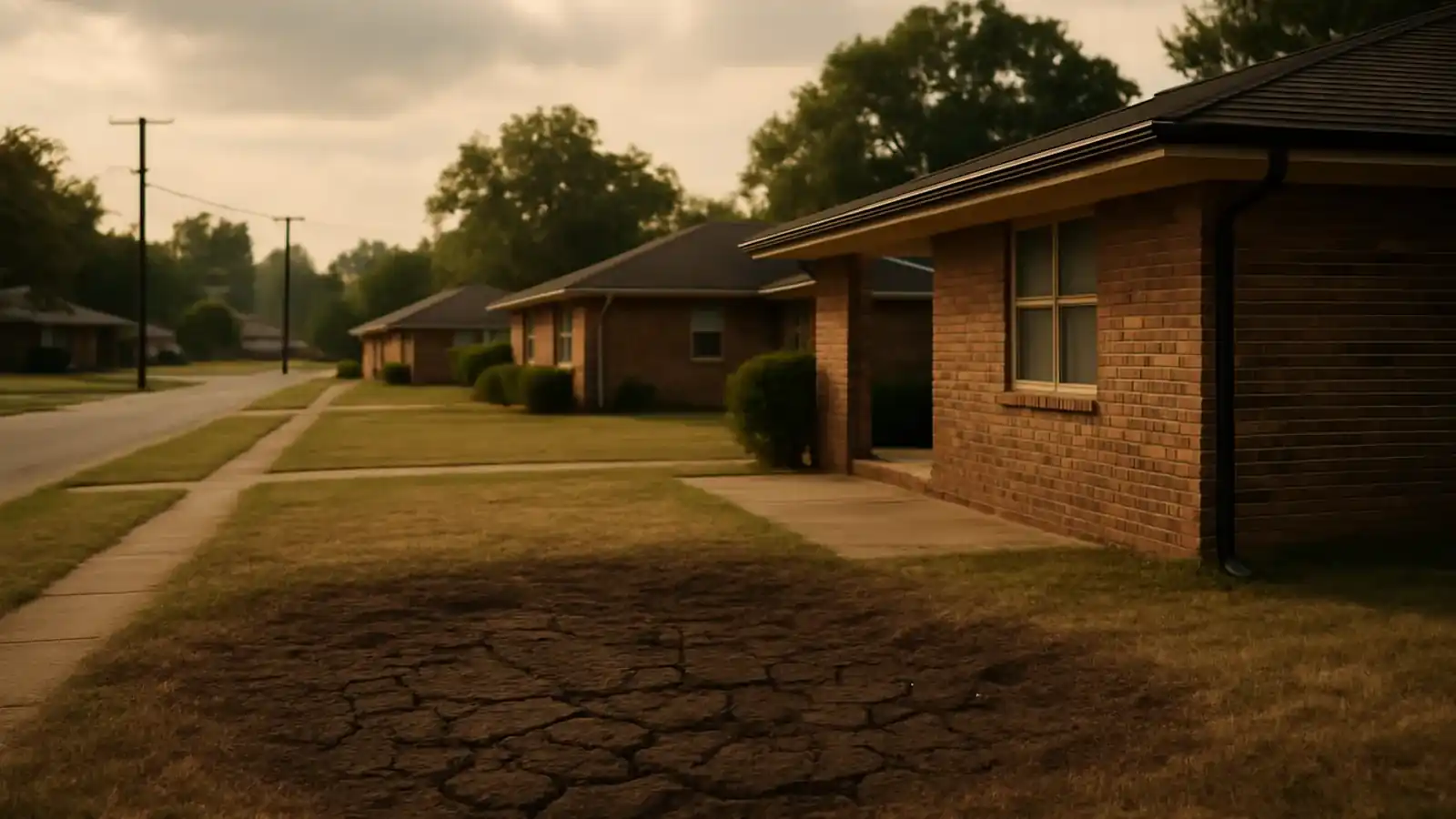
Foundation repair in Selma runs $4,000–$15,000 for most full repairs, with piers commonly $1,200–$3,000 each. Black Belt clay swells through wet winters and shrinks in drought Augusts: the cycle behind nearly every stair-step crack and sticking door here. Every price follows a measured evaluation.
The Black Belt at full strength
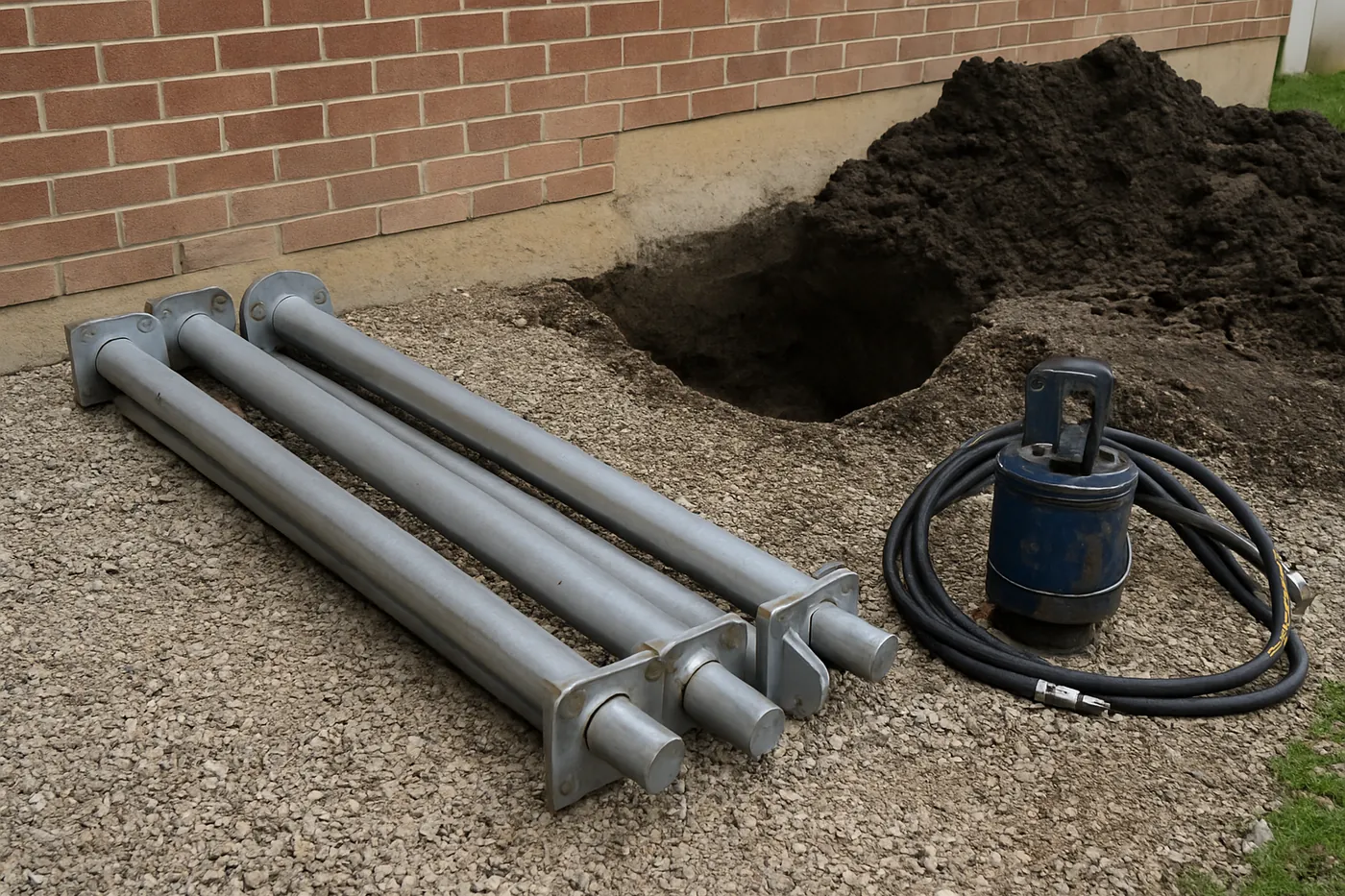
If Montgomery sits at the edge of the Black Belt, Selma sits in the heart of it. The vertisol clays here are the textbook version: dark, deep, and capable of dramatic volume change between seasons. Bare ground opens visible cracks in late summer and seals shut after winter rain. For foundations that means the highest amplitude soil movement in this service area, and repairs specified accordingly: deeper piers to reach past a thicker active zone, and drainage design treated as structural work rather than landscaping.
It also means honest expectations. On soil this active, a house that has cycled for eighty years has banked movement that will not reverse; the goal is stabilization and stopping further loss, with recovery treated as a bonus where the structure can safely take it.
Historic buildings deserve preservation-grade work
Selma's architectural stock includes homes and buildings of genuine historic significance, and foundation work on them is preservation work: original masonry protected during excavation, repointing matched to period mortar rather than modern mixes, and structural additions detailed to be reversible where possible. That approach takes longer and is priced as the labor it is, but a nineteenth-century brick foundation repaired with the wrong material is damaged twice.
Asked in Selma
Is Selma's soil really worse than Montgomery's?
Measurably more active, yes. Selma sits in the heart of the Black Belt where vertisol clays are deepest and their seasonal volume change is greatest. You can watch bare ground crack open in late summer. That means deeper piers to pass the thicker active zone, and drainage treated as structural work rather than landscaping.
Can historic Selma buildings be repaired without damaging them?
That's the whole discipline. Original masonry is protected during excavation, repointing uses period-matched mortar rather than harder modern mixes that damage soft historic brick, and structural additions are detailed to be reversible where feasible. It's slower and priced as the labor it is, but the wrong material on a 19th-century foundation causes a second injury.
Our house has moved for decades. Is it too late?
Almost never too late to stabilize. What's realistic is stopping further loss rather than reversing eighty years of banked movement: recovery is attempted only where the structure can safely take it. The evaluation states plainly what stabilization achieves for your house before you commit to anything.
Is Selma covered?
Yes, Dallas County is part of this site's service area. Ask for travel to be quoted openly rather than buried in the price; given the drive, it is fair to ask how the mobilization portion of your cost is kept reasonable.
Getting eyes on a Selma foundation
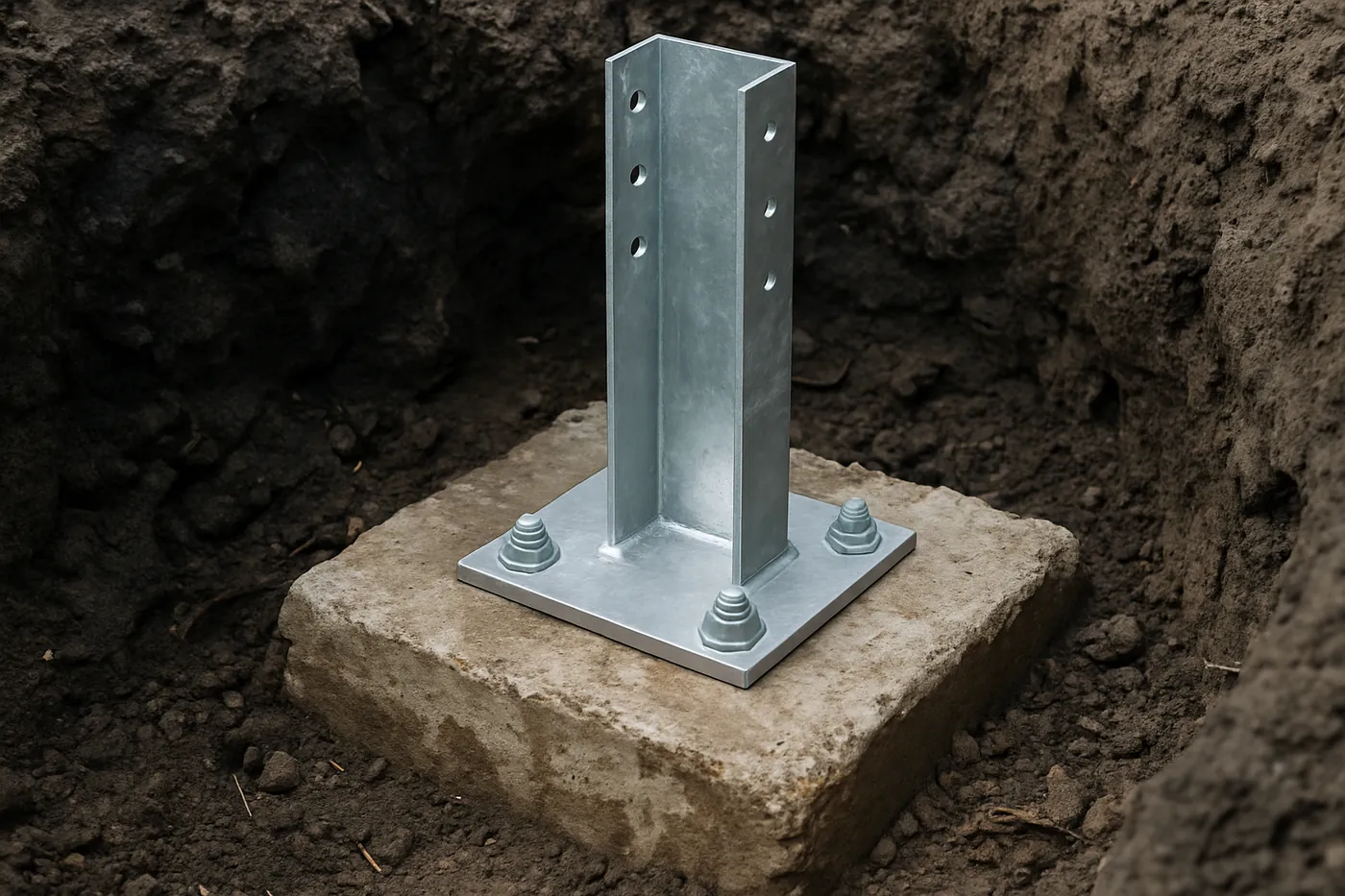
A local specialist who serves Selma calls you back to set a time. Book below or call. Already holding another bid? Bring it, and ask for a scope that shows its measurements, which makes comparison fast. The cost guide explains every number, and service areas covers the rest of the region.
Get a Montgomery foundation evaluation
Tell us what the house is doing (stair-step cracks, doors that stick every August, sloping floors, separating trim) and we'll pass it to one independent local specialist for an evaluation. A local specialist who works in Montgomery will call you back.