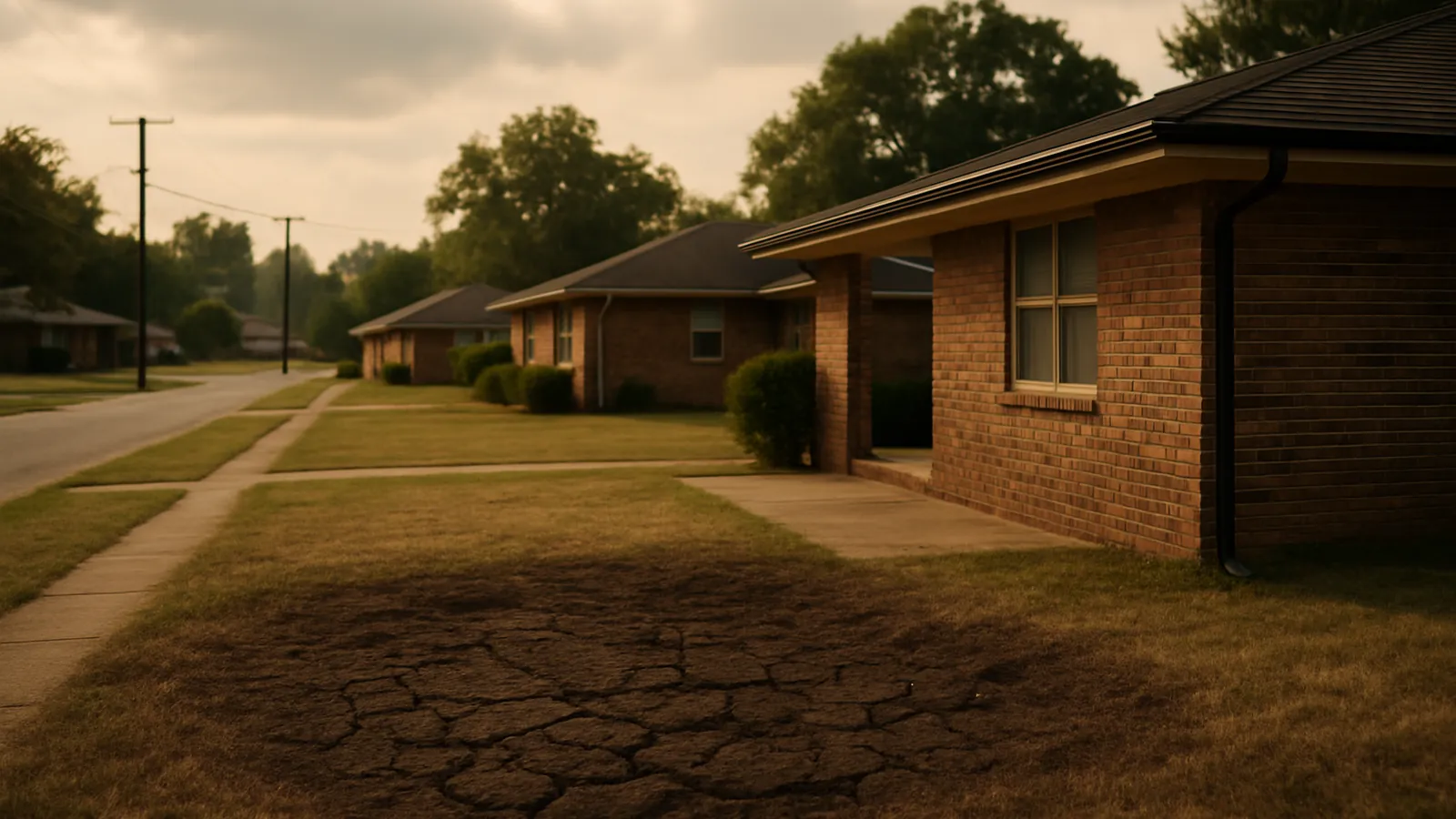
Most Montgomery foundation repairs proceed on a free measured evaluation; an independent structural engineer earns the fee when the diagnosis is contested — an in-town purchase, a slab-leak causation fight, or bids that disagree. Against repairs running $4,000–$15,000, independent judgment is cheap protection.
What each evaluation delivers, the Montgomery cases that want a stamp, and how the two mesh.
What did you just notice?
Most people arrive at this question having seen one specific thing and not knowing how worried to be. The usual list: a crack that has opened wide enough to slide a coin into, a door that stopped latching this season, a floor that feels like it slopes toward one wall, brick that has stepped apart above a window, or a surveyor's report that used the word movement without saying how much.
None of those, on its own, means you need an engineer. What decides it is whether anyone disagrees about the cause — because that is the question an engineer is paid to settle and a contractor cannot settle about their own quote. If a crack is widening and nobody disputes why, a measured evaluation is enough. If two companies have looked at the same wall and told you different stories, that is when independent judgement is worth its fee.
If it is urgent — a wall visibly bowing, a floor dropping in days rather than seasons, water arriving somewhere it never has — the order changes. Get it looked at now, and sort out who was right afterwards.
Same instruments, different products
Both evaluations begin identically — elevations, crack widths, plumb readings, and on pier-and-beam houses the crawl-under with a camera. Ours returns as a free measured report with a priced scope: objective numbers attached to an interested bid, which is how every contractor’s diagnosis deserves reading, including this one. The engineer’s returns stamped, in the hundreds of dollars, attached to no repair revenue — and that detachment is the product the contested cases below are buying.
Who to call first, by situation
| Situation | Start with | Why |
|---|---|---|
| Cracks or slopes, staying put | Contractor evaluation | Free, measured, priced — nothing lost if minor |
| Buying older in-town stock | Independent engineer | A century of cycles, wood, and termite history needs unsold judgment |
| Bids split: settlement vs heave | Independent engineer | On vertisols those repairs point opposite directions |
| Adjuster calls slab-leak damage “settling” | Independent engineer | Causation opinions move adjusters; adjectives don’t |
| Severe movement, designed-repair territory | Engineer, then contractor | Stamped design first, installation to spec second |
Why vertisols feed the disputes
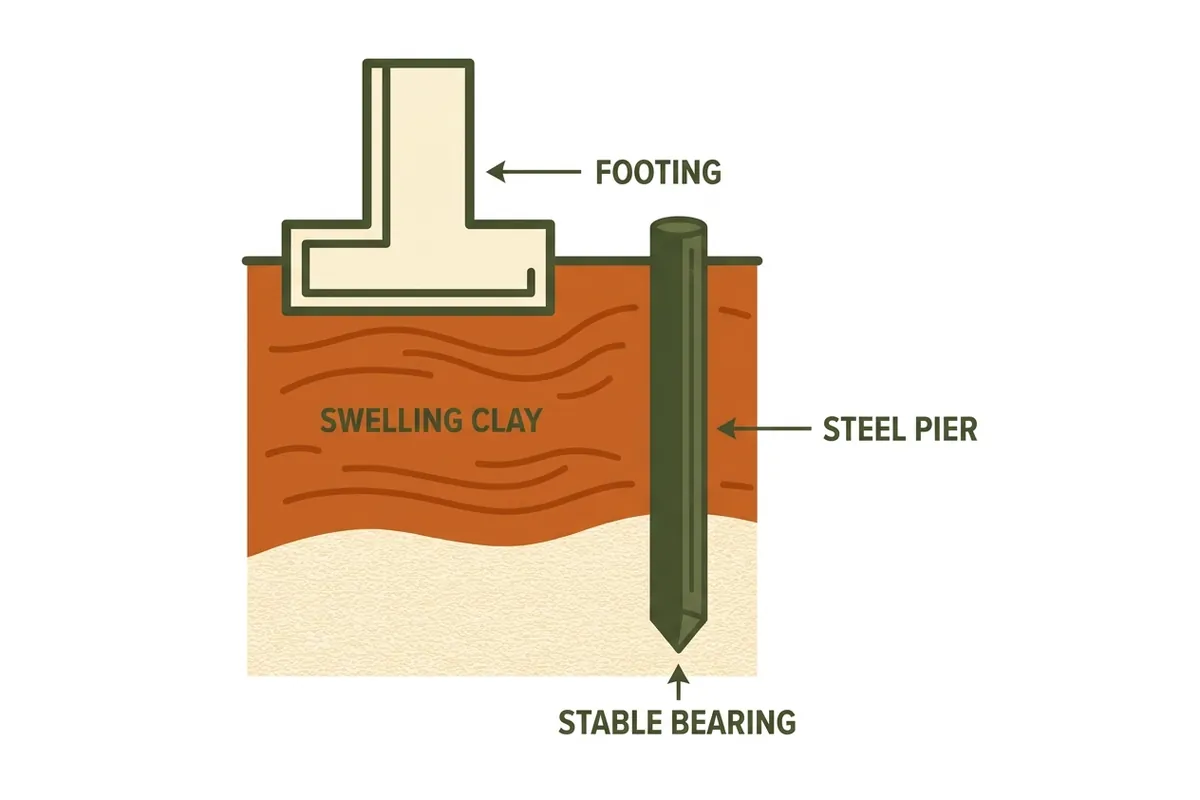
Montgomery’s signature ambiguity is direction. The same cracked floor can mean settlement — clay shrank, footing dropped — or heave — moisture arrived, often via the slab leak, and the clay lifted the floor — and the Southeast’s most expansive soil makes both cases common and the wrong repair genuinely harmful. Most of the time the elevation survey resolves it, free. When a seller, a bidder, or an adjuster refuses the resolution, that’s a credibility problem rather than a measurement problem — and independent credibility is the engineer’s entire product (the insurance page covers the adjuster version).
When both are on a foundation repair job
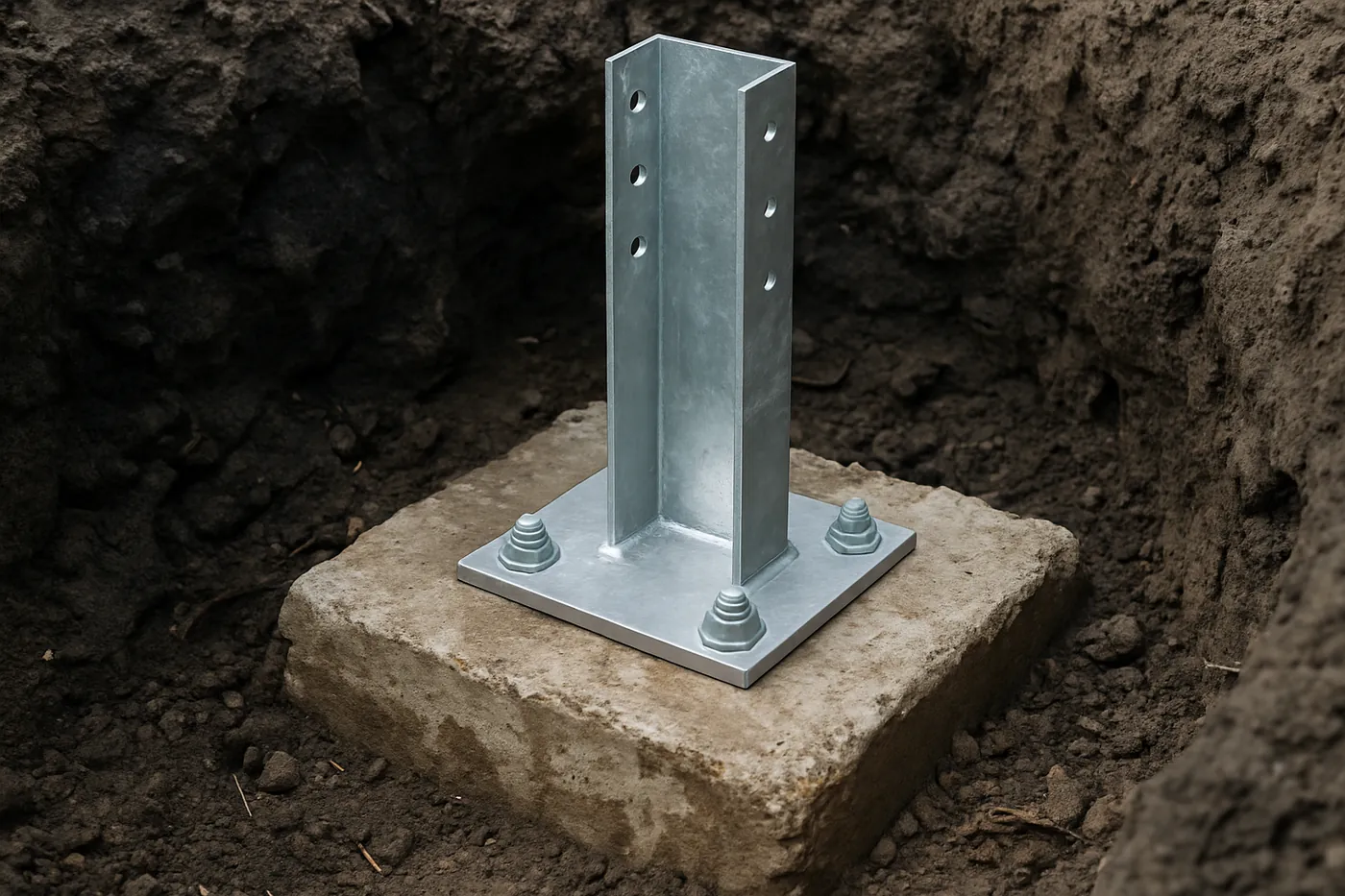
The engineered sequence is clean: the engineer prescribes — pier locations, capacities, any structural design — and we install to prescription, logging each pier’s torque or refusal against the spec so verification happens on paper. You finish holding a stamped diagnosis, a documented install, and a transferable warranty — the stack a future buyer’s inspector reads as engineered rather than guessed. Costs, layer by layer, live in the cost guide.
What a report worth paying for contains
Judge the report, not the credential. A useful one carries an elevation survey in numbers rather than adjectives, a stated cause, a specific remedy — pier type, spacing, and the depth or capacity it must reach — and the stamp standing behind all three. On vertisols it should also say whether the movement is seasonal cycling or true settlement, because those two get very different scopes and the wrong one is expensive. What you don’t want is a letter restating the cracks you already saw that ends with “consult a foundation contractor.” Keep whatever you get: a stamped cause paired with a documented, warrantied repair is the strongest thing you can hand a buyer when this house sells.
Engineer questions, straight answers
Do I need an engineer before getting Montgomery repair bids?
Usually not — the free measured evaluation collects the same field data: elevations, crack maps, and for the in-town stock, the crawl-under inspection with photographs. The stamped version earns its fee when independence is the point: a historic-district purchase, an insurance causation fight, or bids that name different causes.
When is the engineer clearly worth it here?
Pre-purchase on the older in-town stock — a Cloverdale or Garden District house carries a century of vertisol cycles, wood repairs, and termite history, and the negotiation needs a number nobody profits from. When bids disagree on cause, since settlement and heave point opposite directions on this clay. And when severe movement calls for designed repair.
Slab heave versus settlement — can't your survey tell?
The survey shows which way the floor moved, and on most houses that's decisive and free. Vertisols make the stakes higher than most markets: piering a heaving slab anchors the house against a rising floor. The engineer earns the fee when the reading is disputed — a seller calling heave 'normal,' an adjuster calling a slab-leak event 'settling.'
What does the stamp add to the same measurements?
Detachment. Our evaluation is measured and free, but it arrives attached to a bid — read every contractor's diagnosis that way, including ours. The engineer's report attaches to nothing: cause, severity, prescription, stamped, no repair revenue behind it. Courts, lenders, and adjusters price that independence because it can't be bought any other way.
Will you install to an engineer's specifications?
We will install to an engineer's specifications, and we prefer it on contested jobs — diagnosis settled before steel arrives. We bid the specified scope line by line and log every pier's torque or refusal against the spec so verification happens on paper. If we believe a spec misreads the measurements, we say so in writing to you and the engineer, never by quiet substitution.
Can the contractor's engineer count as independent?
Only if you understand the relationship. Plenty of contractors retain a licensed engineer to stamp repair designs, and that stamp is real engineering — but it is engineering for that contractor's scope, not a second opinion on whether the scope is right. When your question is whether the house needs this repair at all, hire the engineer yourself so the only client is you.
Get a free Montgomery foundation evaluation
Tell us what the house is doing — stair-step cracks, doors that stick every August, sloping floors, separating trim — and we’ll schedule an evaluation with photos and measurements. We reply the same business day.